
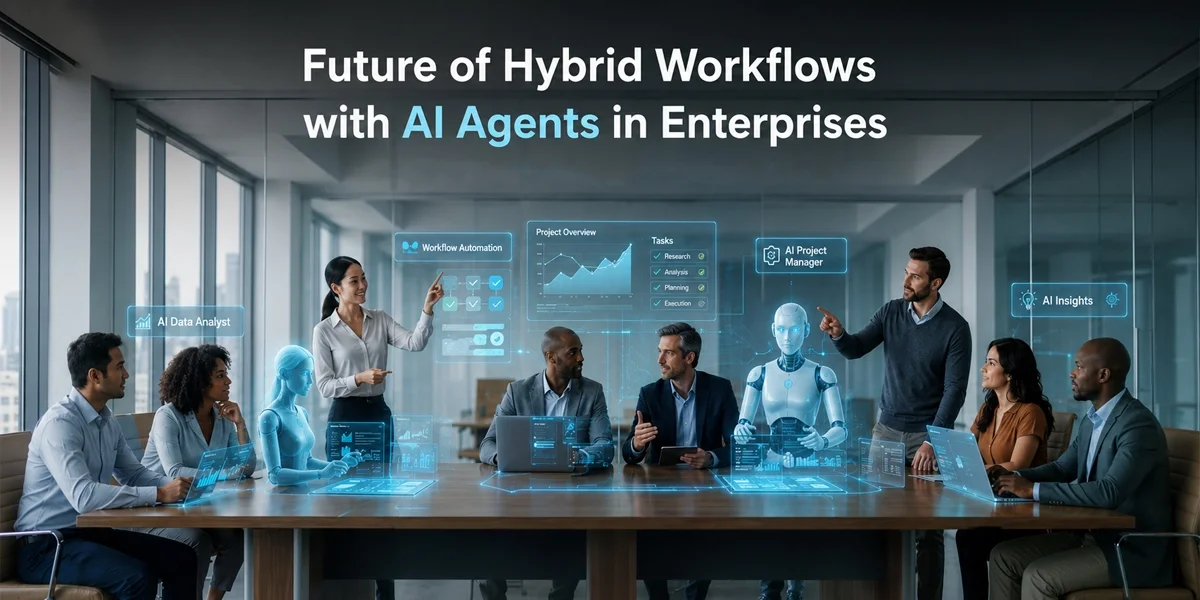
Understanding the AI Productivity Gap
Organizations are dedicating a lot of money to AI, but not all organizations are enjoying commensurate returns. The majority of knowledge workers today (75 percent) are applying AI at work but just 5 percent of firms are recording significant productivity improvements. This is what Asana refers to as the AI Productivity Gap. The gap is caused by four structural issues: the agents are hard to find and implement; there is no structure on how to collaborate with human colleagues in a common environment; the agents have no context in organizations; and IT leaders do not have proper governance and cost controls. The context problem has long been identified by Victoria Chin, Senior Director of Product Strategy of Asana AI: "Unless AI understands who should do what, when, and why, it is not going to produce the results that you need.The Shift from Automation to Intelligent Collaboration
Automation of traditional businesses made them more efficient through rule-based workflow, and was not flexible enough to suit the dynamic aspects of business environments. A mix of context awareness, automated reasoning, predictive recommendations and cross-functional coordination are known as intelligent workflows of the contemporary world, which enables organizations to transform the automation of tasks into intelligent collaboration. It can be observed in tools such as Microsoft Copilot or the Human-Agent Team model of Asana and according to IBM, businesses are now beginning to incorporate AI in their business processes to boost decision-making and performance.What is Agentic Work Management?
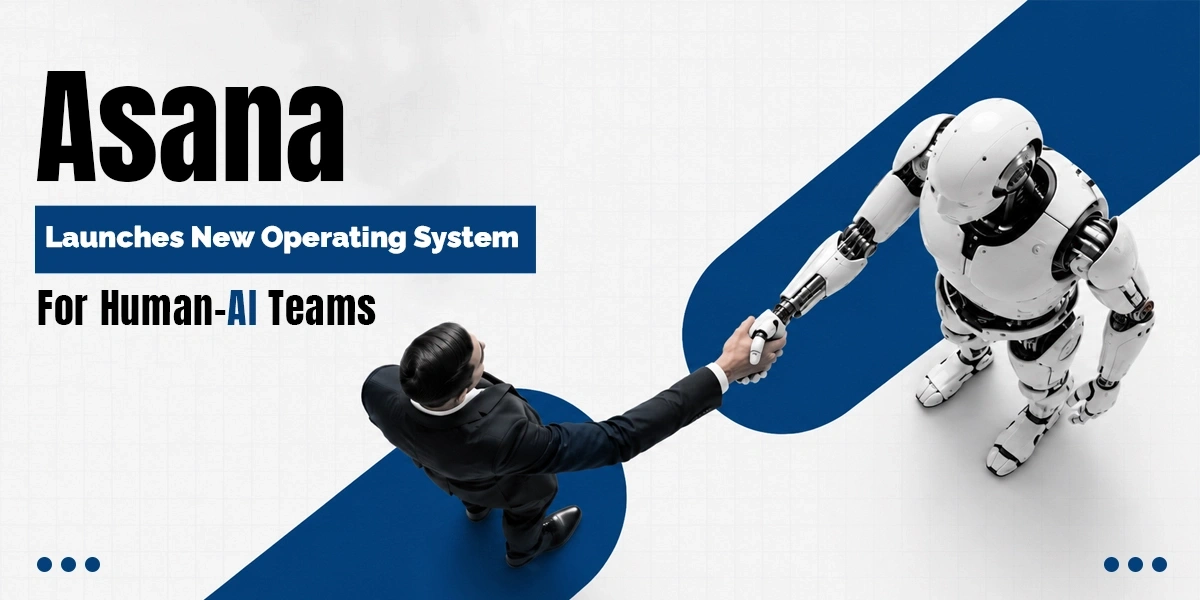
Asana has introduced the Agentic Work Management which is a Human-AI Team Operating System which enables individuals, AI teammates and enterprise systems to operate in the same environment. The enterprise work graph-based platform allows organizations to transcend single AI tools to orchestrate, safe, and scalable workflows and retain human control.Key Asana Innovations
Asana Human-Agent Teams Operating System unites Asana Dash, AI Teammates, AI Studio, the Enterprise Work Graph, shared memory, and governance on a single platform. AI Studio allows human supervised custom AI workflows, AI Teammates track projects, detect risks, generate updates and coordinate work, and Asana Dash functions as an AI Chief of Staff by capturing meeting follow-ups, transforming emails and Slack messages into work items and priorities. The platform, which is driven by the Enterprise Work Graph, provides a common context, administration, and human control over secure collaboration between people, artificial intelligence teammates, and enterprise systems.Industry-Specific AI Teammates
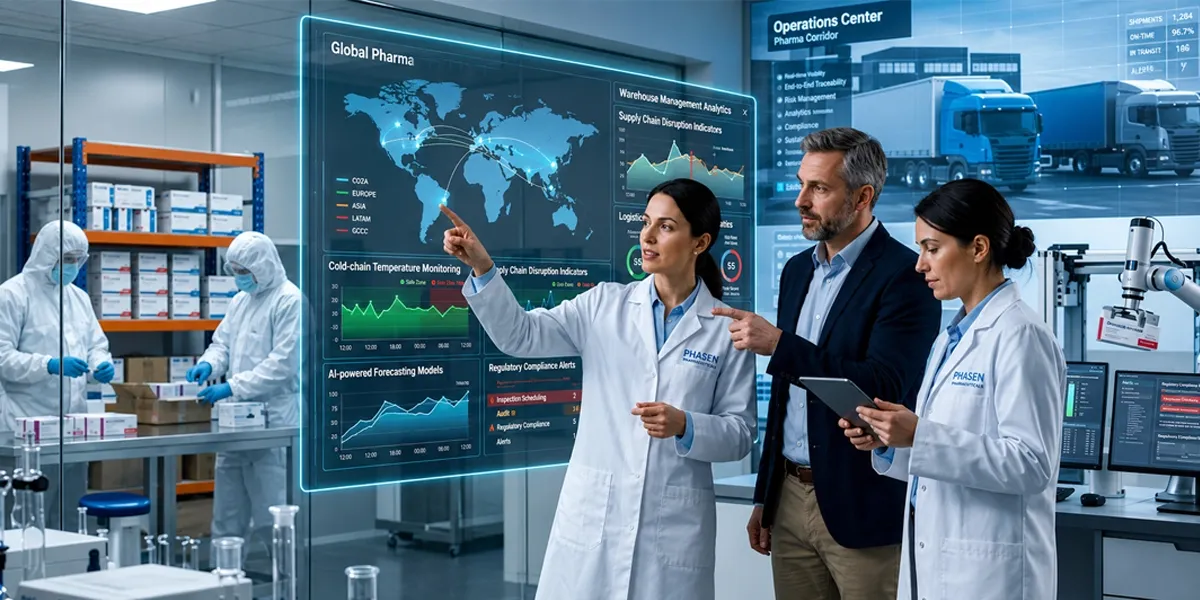
Asana is additionally growing AI companions outside the overall productivity applications. Industries, such as manufacturing and retail are developing special-purpose AI colleagues that enable companies to automatize special work processes, without losing human control and operational stability.StackAI and Enterprise Orchestration
Asana acquired StackAI in 2026 to strengthen enterprise AI orchestration, enabling integrations across CRM, ERP, support platforms, contract management systems, databases, and other enterprise applications while maintaining governance and visibility across Human-Agent Teams. Asana is also expanding its platform with Service Management for IT, HR, and facilities teams, Command for product and engineering teams, and Client Management for agencies and professional services firms.Human-Agent Collaboration in Practice
Using Asana, FedEx reduced time-to-market by up to 9×, saved over 1,200 work hours annually, more than 300 leadership hours, and hundreds of thousands of dollars. COS (H&M Group) reduced campaign setup time by 90%, managed over 1,000 campaign assets, and eliminated approximately 3,000 manual work hours annually.AI Assistants vs Copilots vs Chatbots vs AI Agents
| Technology | Example |
| Chatbot | FAQ Bot |
| AI Assistant | Siri |
| Copilot | Microsoft Copilot |
| AI Teammate | Asana AI Teammate |
| Autonomous Agent | StackAI-powered Agent |
Key Areas Where Hybrid Workflows Are Transforming Enterprise Operations
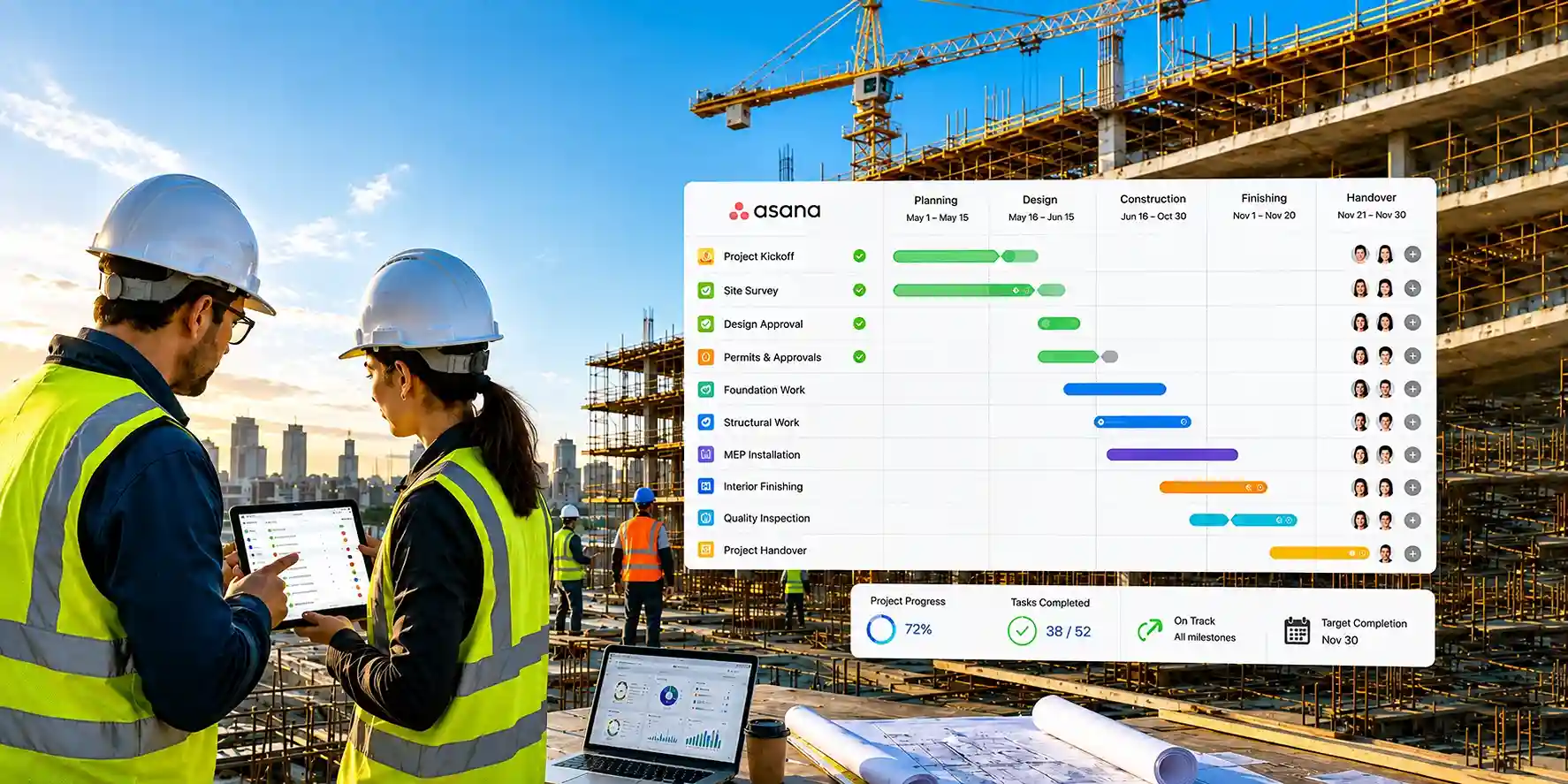
Enterprise operations in various functions are changing due to hybrid workflows which include:- Project management: AI-supported project planning, risk forecasting, dependency tracking, and resource optimization.
- Customer Service: Automated request handling, intelligent recommendations, and faster agent support.
- Software Development: Code generation, automated testing, vulnerability detection, and documentation.
Comments (0)
No comments posted yet. Be the first to comment!