
Introduction
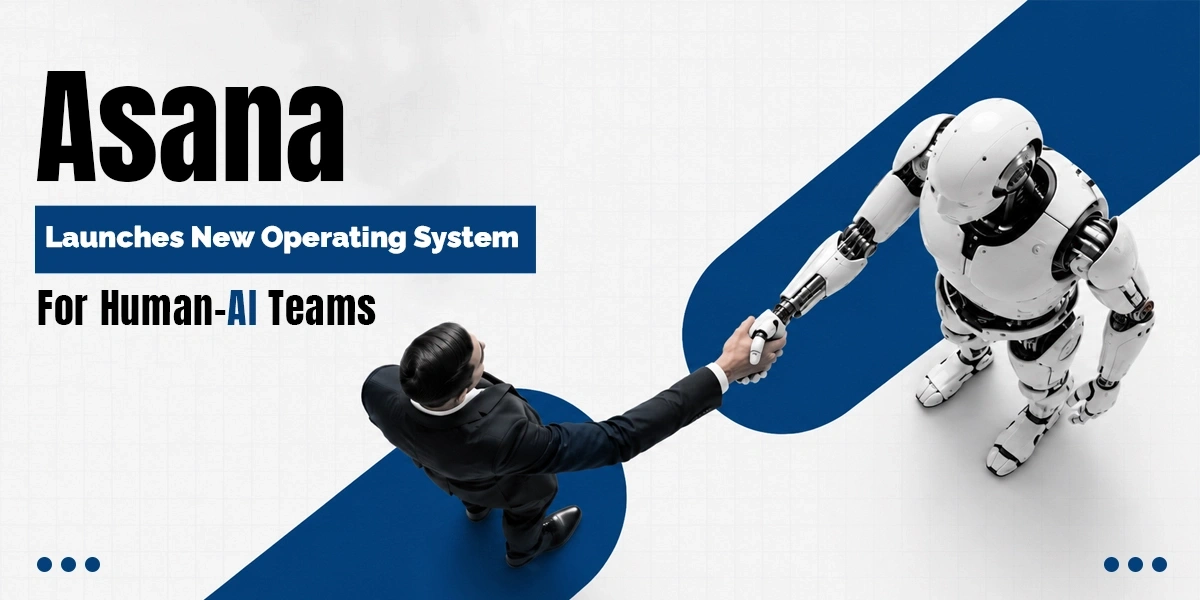
Artificial intelligence is quickly entering into the workplace. Organizations are more and more moving towards AI-driven tools to enhance productivity in content creation and data analysis, project planning, and workflow automation. However even with its widespread adoption, there are still many businesses that are grappling with realization of quantifiable productivity improvements. In a new operating system called Agentic Work Management, Asana announced its vision in addressing this challenge in its Work Innovation Summit in London, which aimed to enable human beings and AI agents to work together in a common environment. The announcement is one of the most important changes in the field of work management technology and indicates the transition to fully integrated teams of humans and agents, rather than separate AI tools.Understanding the AI Productivity Gap
According to recent studies in the workplace, the use of AI is gaining pace in various industries. There has not been the same rate of productivity improvement, however. Some companies invest in AI technologies and do not successfully implement them in the current working processes. A number of issues lead to this disparity:- Teams find it hard to find the appropriate AI solutions to particular processes.
- AI agents can work independently of the existing work management systems.
- There is a lack of connection between important organizational knowledge and AI tools.
- Enterprise adoption is limited by governance, security and compliance issues.
Comments (0)
No comments posted yet. Be the first to comment!